
Trekking in Nepal & Peru: High-Altitude Health & Vaccine Advice in Stafford
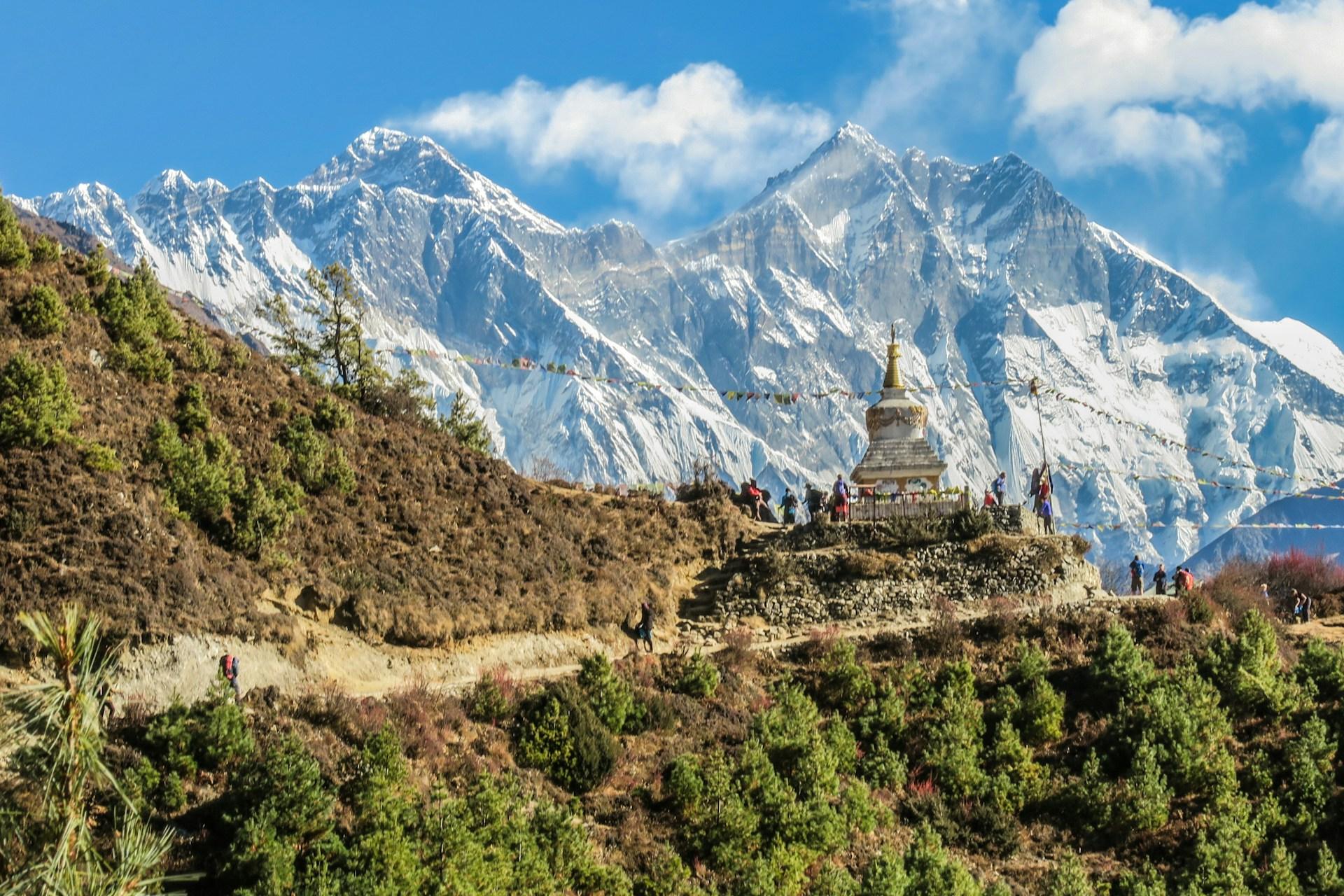
Autumn is prime trekking season for bucket-list adventures like Nepal's Annapurna Circuit, Everest Base Camp, or Peru's Inca Trail. Clear skies and moderate daytime temperatures make September through November the ideal window for high-altitude trekking. However, remote mountain environments expose trekkers to unique health challenges, including Acute Mountain Sickness (AMS), waterborne infections, and limited access to immediate medical care.
At Staffordshire Travel Care, based inside Cornwell's Chemists, our clinical team provides expert travel health planning for adventure travellers across Stafford, Stoke-on-Trent, and Newcastle-under-Lyme. Getting prepared well in advance ensures you stay healthy from trail base camp to mountain peak.
Mandatory & Recommended Vaccines for Nepal and Peru
Trekking routes often pass through rural villages where sanitation standards differ from urban centres. Essential vaccinations for high-altitude treks include:
- Hepatitis A & Typhoid: Crucial for protecting against foodborne and waterborne illnesses when consuming food in remote teahouses or camping setups.
- Tetanus, Diphtheria & Polio: Essential for outdoor activities where minor cuts or abrasions from rocky terrain are common.
- Rabies Vaccination: High risk in rural regions due to stray dogs and wildlife along trekking routes. Pre-exposure rabies vaccination simplifies post-bite treatment in remote areas where immunoglobulin may be hours or days away.
- Yellow Fever (Peru): Required for travel into jungle transition zones or specific provinces in Peru prior to entering high-altitude regions.
Preventing and Managing Altitude Sickness (AMS)
Acute Mountain Sickness can affect anyone ascending above 2,500 metres, regardless of physical fitness. Key strategies to prevent altitude illness include:
- Gradual Acclimatisation: Limit your ascent rate to no more than 300 to 500 metres per day above 3,000 metres, incorporating rest days.
- Hydration & Nutrition: Drink 3 to 4 litres of water daily and consume carbohydrate-rich meals to meet elevated energy expenditure.
- Altitude Medication: During your travel consultation in Stafford, our clinicians can assess your suitability for prescription altitude prophylaxis to aid acclimatisation.
Preparing Your Mountain Medical Kit
When trekking far from pharmacy access, carrying a comprehensive medical kit is critical:
- Water purification tablets or micro-filtration straws
- Broad-spectrum rehydration salts and anti-diarrhoeal treatments
- Blister plasters, zinc oxide tape, and trauma dressings
- Personal prescription medications in original packaging
Book your high-altitude travel consultation at Staffordshire Travel Care in Stafford (Holmcroft, Beaconside, or Weeping Cross branches), or at any of our 10 pharmacy clinics across Staffordshire.
Pharmacist's Note
Vaccination schedules for high-altitude trekking often require multi-dose courses spread over several weeks. Schedule your travel health appointment at least 6 to 8 weeks before your flight to ensure full immunity before hitting the trail.
— The Staffordshire Travel Care Team
Medical Disclaimer: This article is for informational purposes only and does not substitute for professional medical advice, diagnosis, or treatment. Always consult a qualified healthcare professional regarding travel health, high-altitude medicine, and vaccination recommendations.